


Cap Slitting Machine
Established in 2008,Guangzhou Jeepine Intelligent Compression Molding Machine Co., Ltd is one of the leading manufacturer of The High-compacity Cap Compression Molding Machine ,dedicated to High-efficiency and cost-saving compressing molding technology.especially for the bottled water cap compression molding,beverage cap moulding,dairy cap molding,liquor cap molding,condiment cap molding,cosmetics closure molding and pharmaceutical rotary closure molding machine. Jeepine are leading the advanced compression technology for plastic closures in China,with the aim of creating value for customers.
We have a professional R&D team,CAE academicians , overseas returnees ,doctors and masters who dedicated to make a superb design for caps and research the newest technique to create the value for customers. Whatever platform strategy, mature technology and innovative solution would be brought to you, optimal combination possibilities for high efficiency,high capacity,high stability and offered you the right solution as you need, enhancing your benefits.


Why Choose Us
One-stop Solution
We're committed to quality and concrete actions. That means we always deliver solutions in a professional and practical way.
Rich Experience
Established in 2008, We have more than 10 years rich experiences in cap compression molding machine. Up to now,We're obtained nearly 100 national patents,in science&Technology"and has winned the certifications of UL,ISO9001 :2015 and TUV.
Professional Team
We have a professional R&D team,CAE academicians , overseas returnees ,doctors and masters who dedicated to make a superb design for caps and research the newest technique to create the value for customers.
24H Online Service
You can contact us about pre-sale, in-sale and after-sale services, we will give you a very satisfactory answer, and we serve you online 24 hours a day.
The cap slitting machine is designed for cutting the tamper evidence band of the cap. The cap slitter is completes automatically the whole working procedure: loading the caps in order, feeding lids into the slitting station, cutting the caps, and discharge the silted caps.

Benefits of Cap Slitting Machine
Superior speed slitting:
Fast and precise slitting of plastic caps using pro-grade blades.
Simple operation:
Designed with a user-friendly interface and demands low maintenance.
Enduring build:
Steel-framed construction ensures longevity even in the harshest industrial settings.
Consistency and precision:
Embodying the essence of a true workhorse, our machine maintains high-speed operation without compromising precision. Achieve consistent and accurate cap slitting to ensure stringent industry standards.
Improved productivity:
Maximize your ROI with our Slitting Machine engineered to optimize cap slitting process, omitting redundant steps and lower associated costs.
Reduced labor costs:
Experience the financial benefits of automation. Our slitting machine reduces labor involvement, thereby cutting down labor cost while significantly augmenting output production.
Cap Slitting Machine Operation Process

loading the caps in order
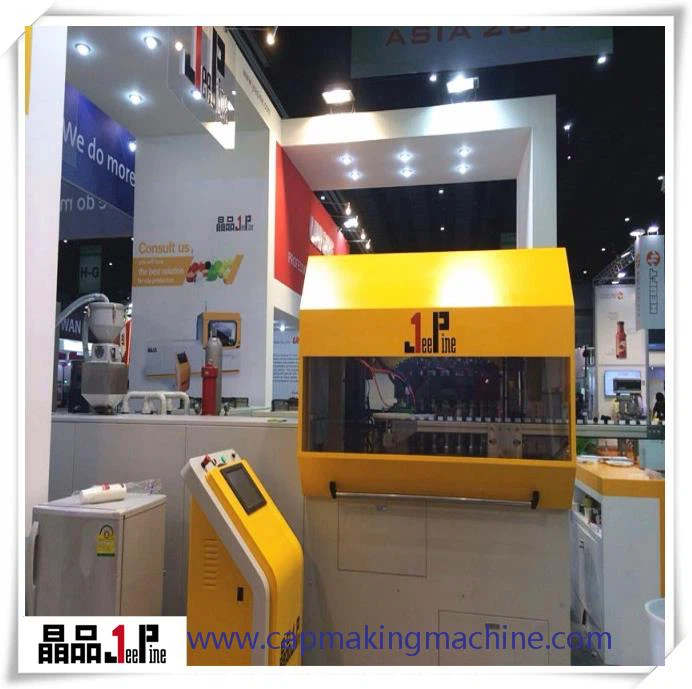
feeding lids into the slitting station

cutting the caps

discharge the silted caps
How to Maintain Cap Slitting Machine?
Keep the machine clean:
Periodic cleaning, when done often, can prevent long periods of downtime associated with more intense, less-frequent maintenance. Dirty machines are unpleasant to use and work on. If the machine is covered in dust, dirt, and debris, it may also mask some potential problems with its functionality.
A simple wipe-down at the end of the workday can make a lasting impact on preventing larger problems later on.
Machine inspection:
Regular inspection is key to ensuring a long lifespan for your machine. If the problem is caught early, it may lead to a timely and inexpensive fix, but the longer the problem lingers on, the higher the price is likely to be.
Routine inspection will ensure that the machine still produces to the same accuracy and efficiency standard as it did on the first day you bought it. Recurring examination of all machine parts can help reduce repair downtime and drive bottom line savings for your business.
Changing parts regularly:
To ensure that the machine is working to its full potential, you should be well aware that the parts will need changing regularly to avoid any slowing down of the mechanisms or failure altogether.
If this should occur, it would inhibit the production line and disrupt your workflow. Thus, the parts should only be changed by a highly qualified and trained personnel or a certified service technician.
Autonomous Maintenance Tasks:
Increased machine availability: Self-maintenance is an important issue for improving machine availability. By reducing downtime (scheduled and unscheduled shutdowns), the availability of equipment is increased, which makes it possible to reduce production times and be more responsive to changes.
Improved operator ownership of the machine: By focusing on machine maintenance, we no longer correct the effects of the problems but the causes. Self-maintenance has an undeniable effect on the stability of the machine's processes.

Jeepine CCM has been accepted by many well-know and market-leading beverage manufacturers such as Wuliangye,Mengniu,COFCO and HuiYuan.Moreover,Jeepine CCM also entered the market of southeast Asia,the middle east,Africa,South Korea,Japan,US,etc.,Contributing to various packaging industry,including beverage,pharmaceutical,cosmetics and daily commodities.

FAQ
Q: What is the purpose of a slitting machine?
Q: What is a cap slitting machine?
Q: What are the different types of slitting machines?
Q: What is crush cut slitting?
Q: What are the advantages of slitting machine?
Q: How is slitting done?
Q: What is the use of plastic bottle cap?
Q: What is a bottle cap?
Q: What are the different types of lids?
Q: Why are bottle caps ribbed?
Q: Are bottle caps plastic?
Q: Why are bottle caps made from PP?
Q: Why are there numbers on bottle caps?
Q: Are there different size bottle caps?
Q: What is closure size bottles?
Q: What is bottle cap called?
Q: What type of closure is used on many plastic bottles?
Q: How do they make plastic bottle caps?
Q: Why is there rubber in bottle caps?
Q: Why is HDPE used for bottle caps?
We're well-known as one of the leading cap slitting machine manufacturers and suppliers in China for our quality products and customized service. Please feel free to buy bulk cap slitting machine made in China here from our factory.
Cap Folding Machine, , Plastic Closure Slitting Machine